

Call 0800 1111
Taking control of your online safety
We all like being one step ahead. And the same applies when we’re spending time online. So we’ve got tips to help feel more in control when you’re scrolling.
Safety hacks
Our safety hacks are here to help you feel more in control online.
Think before you share
What you share online can stick around for longer than you think, including our photos, videos, and comments. It’s good to always keep this in mind.
Keep private info private
Keep things like your address, phone number, full name, school and date of birth private, and check what people can see in your privacy settings.
Know who you’re chatting to
When chatting to others online, keep an eye out for red flags, fake profiles, or anyone who might not be who they say they are.
Spot the fakes
Not everything we see online is always going to be true. Spotting misinformation will help you feel more in control of your feed, your feelings, and your views of the world.
Talk it out
If anything happens or something you’re not sure about, you don’t need to hide it or pretend it hasn’t happened. Chat to a mate, an adult you trust, or you can always contact Childline.
Keeping your info safe
Keeping your info safe is a great way to feel in control online. Here are our top safety skills you can use right now.
Make your passwords as strong as possible
Here’s how you do this:
- Don’t use personal details, try using 3-4 random words that you can remember instead.
- Make your password more than 8 characters and use a mix of lower case letters, upper case letters, numbers and special characters (like %, #, ! and £).
- Change your password as much as possible and use completely different passwords for different websites and apps.
Set up 2-factor authentication
2-factor authentication is where you use another device, email address, or phone number to confirm it’s you that’s logging in. For example, an app might send a code to your email for you to copy after you’ve entered a password.
Using 2-factor authentication is important because it prevents people logging into your accounts if your password is guessed or leaked.
Keep everything updated
It’s good to make sure you’re keeping on top of updates, especially if they’re being rolled out to fix any bugs or security issues. Each device is different, but you can usually find out how to do these updates in each device’s settings. It’s also best to invest in some kind of anti-virus software. If you need help with this, chat to a parent/carer.
Log out of public or shared devices
If you’re using someone else’s device or someone else might have access to yours, make sure you:
- log out of any websites or apps when you’re finished
- don’t save any passwords or log-in information
- clear your internet history.
Watch out for dodgy websites and apps
Make sure any website you’re using has “https” at the start of the address so that you know it’s OK to use. Only enter your log in details when you’re absolutely sure it’s the right website. And make sure that any apps you’re downloading come from your device’s official app store.
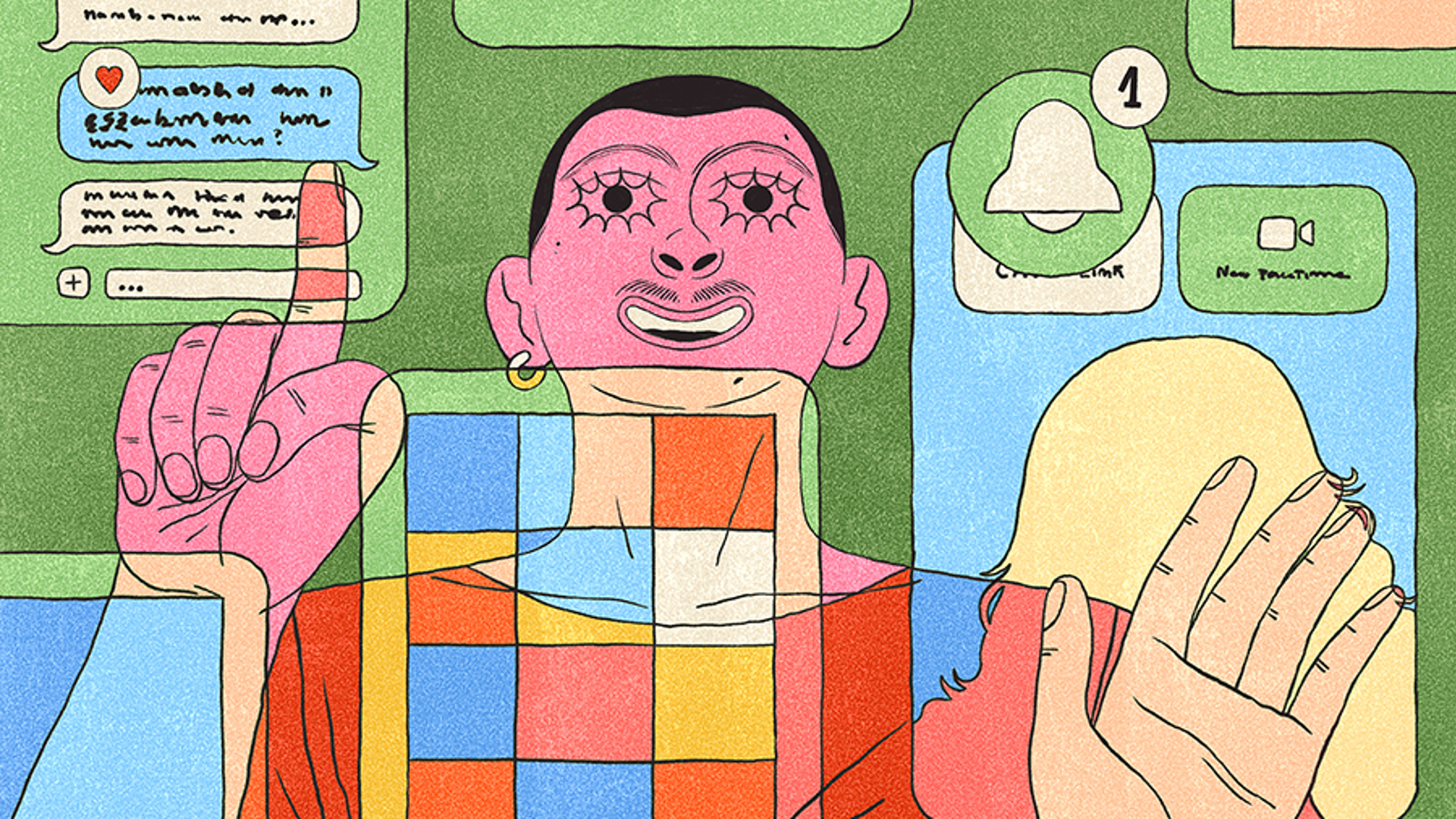

got scammed
on TikTok once lol,had to
change my passwords and everything
Staying ahead of online scams
Could you spot an online scammer? We all think we’d know them when they see them, but it’s not always easy, especially as technology continues to evolve. The best way to avoid these scams is to know what they look like what to do if you think someone is trying to scam you.
Phishing
What it can look like
This is when criminals will contact you, often by phone call, text or email, pretending to be an organisation that you use, such as your bank or a brand you might like.
They often do this to get you to share your personal details with them, such as your bank details or usernames and passwords.
How you can stop it
- Check the email address a message is sent from
- Don’t click on any links that you’re sent - go to the organisation’s official website and sign in there.
- Check that the organisation’s web address starts with https to show it is a secure site.
- Set up 2 factor authentication on your accounts to keep them more secure.
- Use good antivirus software and scan your devices regularly to keep them safe.
- Don’t share personal details with someone who has called you, always call back the organisation on their official phone number on their website.
Pop-ups
What they can look like
Often when we’re scrolling, we’ll get pop up ads appearing trying to sell something to us, or get us to do something. Tapping pop-ups isn’t always safe. Some can download a virus or spying software on to your computer or device, or link to scam websites.
How you can stop them
- Close any pop-ups without clicking them
- Use pop-up blockers in your browser
- Make sure you protect your computer and devices with good anti-virus software
Shopping scams
What they can look like
If you’re buying anything online, it’s good to remember that sometimes scammers will falsely advertise things, sell fake versions of more expensive products, and try and trick you into entering your bank card details into fake websites.
How you can stop them
- Only buy things from trusted websites and be careful of offers that appear too good to be true.
- Use Trust Pilot to check the online reviews for the company.
- Don’t click on any links that you’re sent and go to the official website instead.
- Check that the website looks professional with no grammatical errors or anything else that feels suspicious.
- Check if they allow things like PayPal, as this shows they’re willing to take safer payment methods
Get more support
This site is protected by reCAPTCHA and the Google Privacy Policy and Terms of Service apply.